How to Build a Minimalist Wardrobe You'll Actually Wear Every Day
Too many clothes, nothing to wear. A minimalist wardrobe isn't about deprivation — it's about intention.
Read →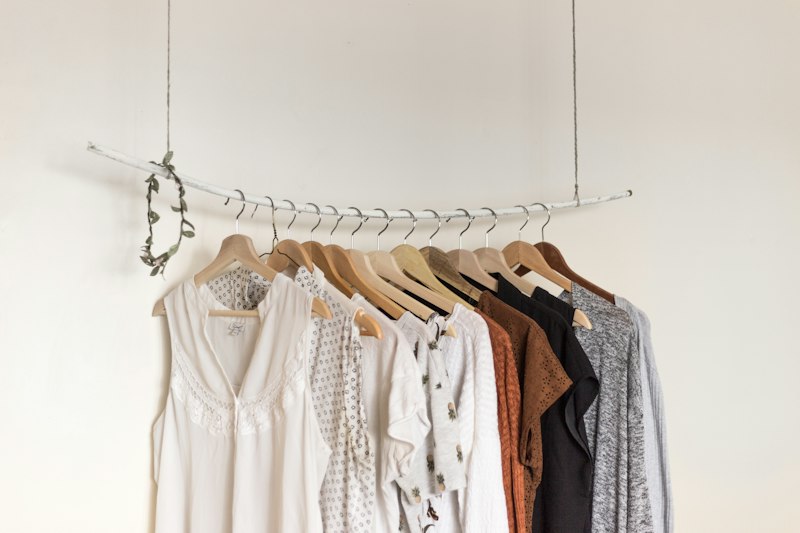
There's a specific quality that makes some outfits read "expensive" even when you paid $40 for the blouse. It's not the brand. It's not the price tag. If it were, every woman with a high credit limit would look polished, and plenty of them don't. The quality that makes an outfit read expensive comes down to four things: fit, fabric finish, color restraint, and the absence of obvious effort. This post is the formula. Everything you need to look expensive without spending more — starting today.
Most women who want to how to look expensive on a budget make the same mistake: they look for better clothes instead of looking at what's wrong with the ones they already have. The issue is almost never price. It's three specific things that give away a low-cost outfit regardless of what it cost.
Poor fit at the shoulder and waist. The shoulder seam that slides off the edge. The waist that bags or pulls. These aren't details — they're the entire signal. The eye goes there immediately, and when the fit is off, the brain categorizes the whole outfit as "wrong" before anything else registers. A $30 blouse tailored for $20 reads more expensive than a $200 blouse in the wrong size. Every time. No exceptions.
Shiny or pilling fabric under light. Thin polyester catches light wrong. It sheens. It clings. It pills after four wears. The brain has been trained to associate fabric sheen with low-cost manufacturing, and it makes that association instantly — even without consciously analyzing the fabric content. You cannot fake your way past this with styling.
Overly trendy styling. Trend-of-the-moment pieces announce their season. When that season passes, everything about the outfit reads dated, which reads cheap by association. The paradox: buying last season's trend at a discount doesn't save you money. It just accelerates the point at which the whole outfit looks wrong.
The expensive illusion is simpler than most women think. Tailored fit at two points — shoulder and waist — does more than any price tag. That's the foundation. Everything else is refinement.
Fabric is the second-fastest signal the eye reads. Before color, before silhouette, before accessories — the brain processes the quality of the fabric. This is why how to look expensive is fundamentally a fabric problem as much as a fit problem.
Matte, structured, and textured fabrics read expensive. Shiny polyester reads fast fashion. That's the rule, and it's almost exceptionless. A matte crepe blazer in the same camel color as a shiny polyester one will read completely differently — even from across a room.
What to look for on a tag: Ponte, crepe, wool-blend, linen-cotton blend, silk or silk-look with actual weight. These fabrics drape, hold shape, and move with intention. They read quality because they perform like quality — they don't cling, bag, or lose their structure by noon.
What to avoid: Thin polyester. Rayon that wrinkles the moment it comes off a hanger. Anything described as "stretch knit" in a work context. These fabrics compromise the whole outfit regardless of the silhouette.
The quick shopping hack: feel the fabric before you buy. If it's light enough to see your hand through it in daylight, it won't drape expensively. It will cling, shift, and read exactly as cheap as it cost. Weight and opacity are not luxury signifiers — they're function. Fabric without weight cannot hold a silhouette, and silhouette is what makes an expensive looking outfit.
Color restraint is one of the most underused tools in how to dress expensive on a budget. The reason expensive outfits look expensive is partly structural and partly editorial — and color editing is the editorial move that most women skip.
Expensive outfits follow a 3-color maximum rule. Usually two neutrals plus a metallic accent or a third quiet tone. That's it. Not three competing colors plus a print plus metallic hardware. Two colors. Maybe three. Done.
The palette that consistently reads "money": ivory, camel, caramel, stone, slate, bone, deep burgundy, forest green, navy. These colors are historically expensive because they were expensive — quality dyes, refined taste, the signaling of people who didn't need to try hard. That history is baked into how we read them now. They read quiet. They read considered. They read like someone who has something better to do than shout.
What to avoid: neon, busy prints, color-blocking across more than two colors. These choices are work — they demand attention, they read as effort, and effort is the opposite of expensive. The quiet luxury outfits principle is simple: restraint looks expensive because it signals you don't need to try. The palette does the work. You arrive.
For the full framework on building a color architecture that multiplies your wardrobe, see How to Build a Work Wardrobe From Scratch. The color strategy there applies directly to the expensive-looking palette.
These are categories, not brands. Any well-made version of these pieces reads expensive, regardless of what it cost. This is the foundation of how to look polished and put-together consistently — not a list of things to buy, but a list of things to get right.
A well-fitting blazer — not black, not boxy. Camel, slate, or ivory, with structure. The shoulder seam sits exactly at the shoulder. The waist has shape — not a tight fit, but a suggestion of one. A blazer that fits at the shoulder and has structure through the body reads expensive in a way that an oversized or boxy blazer never will, regardless of price. This is the single most powerful piece in the expensive-looking toolkit.
A silk or silk-look blouse in ivory or champagne. The fabric is the point. A blouse that moves — that has weight and drape and catches light the right way — reads expensive because of how it behaves, not what it cost. Ivory photographs better than white. Champagne reads warmer. Either one, in a fabric with actual weight, is the blouse that makes every other piece it's worn with read more expensive by proximity.
Straight-leg or wide-leg trousers in a heavy fabric. Not ponte leggings. Not a trouser that was once a jegging. Wide-leg or straight-leg trousers in a structured fabric — wool-blend, crepe, heavy ponte — that holds their shape when you walk, sit, and stand. The silhouette is inherently architectural. It looks expensive because it behaves like a deliberate design decision, not an afterthought.
A simple leather or leather-look tote with clean hardware. Structured base, no visible logo, hardware that doesn't jingle or tarnish. The bag that reads expensive is the one that holds its shape when you set it down and stays clean for years. One bag that works with everything in this list is worth more than a collection of semi-useful options.
A merino or cashmere-blend crewneck — zero logo. The quiet piece. No branding, no graphic, no statement. A fine-gauge merino or cashmere-blend crewneck in a neutral tone (ivory, camel, oatmeal) layers under blazers, works alone with trousers, and reads expensive because it's completely without noise. Logo-free knitwear signals that you don't need a brand to do the talking.
Low-heeled pointed-toe mules or loafers. The shoe that elongates the line, closes the outfit at the bottom, and works across every silhouette on this list. Pointed-toe is the move — the elongated tip creates proportion that registers as deliberate. Low heel or flat. Clean leather or quality faux-leather. The shoe that reads expensive is the one that looks like it was chosen, not grabbed.
This is the step that makes everything else work. You can get the fit right, buy the fabric, follow the palette, own all six pieces — and still undermine the whole system by adding one thing too many.
The expensive edit: remove anything logoed, branded, or visually loud from the outfit before you leave the house. The statement bag. The graphic print that reads "trend." The layered necklaces that individually are fine and collectively create noise. Each removal is a decision. Each decision is restraint. Restraint is expensive.
Less is more expensive. This is not aesthetic advice — it's the actual mechanism. One statement piece (a pair of earrings, a watch, one textural layer) is the ceiling. One. Not two. Two pieces competing for attention signal that you weren't sure which one was enough. One piece, chosen with confidence, signals that you knew exactly what you were doing.
The "third piece" rule: any two-piece outfit — top and bottom — reads complete but flat. It's dressed, but not finished. Adding a blazer, a structured cardigan, or a tailored jacket elevates it instantly. Not because more is more, but because the third piece creates a visual architecture that a two-piece outfit lacks. It signals intention. It reads considered. It looks expensive because it looks finished. For building a wardrobe where the third piece is always there when you need it, see How to Build a Capsule Wardrobe on a Budget — the whole framework applies.
The how to look expensive question is ultimately not about what you buy next. It's about understanding what works on your specific body, proportions, and professional context. The $40 blouse that looks expensive on one woman looks fast-fashion on another — not because of the blouse, but because the fit, the fabric, the palette, and the edit are all calibrated to the woman wearing it.
That calibration is exactly what a Style Audit does in 60 minutes. You'll know what's working in your current wardrobe, what's quietly undermining it, and the one or two targeted moves that would make everything you already own read more expensive. It's $150 — less than one piece of clothing that won't work with anything else. Book a Style Audit here.
Not ready to book? Start with the free 10-Piece Capsule Wardrobe Checklist — the same foundation framework used with every Stylevault client. It'll show you exactly where your wardrobe stands before you spend a dollar on anything new.
Want personalized guidance?
A 1-on-1 deep dive into your wardrobe. Walk away with a clear style direction, a curated shopping list, and the confidence to own every room.
Book a Style Audit — $150Too many clothes, nothing to wear. A minimalist wardrobe isn't about deprivation — it's about intention.
Read →Most style advice is built for the before photo or the after photo — never the in-between. Here's the practical formula for dressing well right now: the fit-the-largest-part rule, silhouettes that work at any fluctuation, and a 5-piece capsule that adjusts with you.
Read →